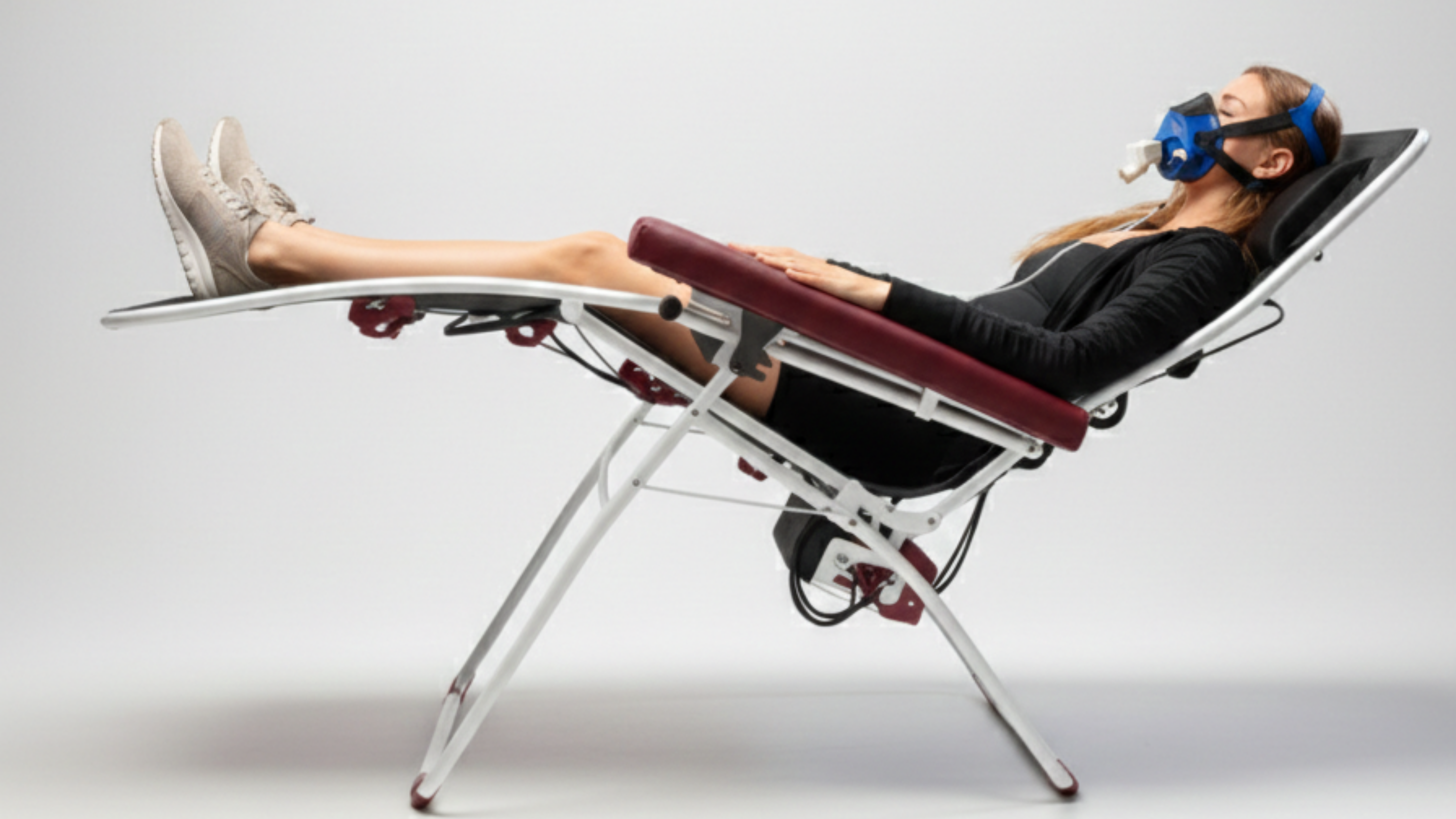
One of the most common questions in exercise science is whether you can still improve your VO2 Max after 40, 50, or 60. The answer is unequivocally yes. Research consistently shows that VO2 Max is trainable at every age, and the health benefits of improving VO2 Max after 40 are arguably greater than at any other point in your life.
Your VO2 Max naturally declines with age — but the rate of that decline is not fixed. It is modifiable through training, nutrition, body composition management, and targeted metabolic interventions. The decisions you make in your 40s, 50s, and 60s determine whether you arrive at your 70s with the cardiovascular capacity to live independently, stay active, and enjoy a long healthspan — or not.
This guide provides age-specific strategies to improve VO2 Max after 40, after 50, and after 60, explains why VO2 Max declines with age and what you can do about each contributing factor, and shows how metabolic testing accelerates improvement at every stage.
Why VO2 Max Declines After 40
VO2 Max begins declining in most adults around age 30, but the rate accelerates noticeably after 40. Understanding the specific physiological changes that drive VO2 Max decline with age helps you target the right interventions to improve VO2 Max after 40 and beyond.
Declining Maximum Heart Rate
Maximum heart rate decreases by approximately 0.7–1 beat per minute per year. Since cardiac output (heart rate × stroke volume) is a primary determinant of VO2 Max, a lower max heart rate directly reduces the ceiling of oxygen delivery. This decline is largely genetically determined and not significantly modifiable through training — but its impact on VO2 Max can be offset by improvements in stroke volume and oxygen extraction.
Reduced Stroke Volume
After 40, the heart’s ability to fill with blood between beats (diastolic function) and eject blood forcefully (systolic function) gradually diminishes. Reduced stroke volume means less blood pumped per heartbeat, which limits oxygen delivery. However, stroke volume is highly trainable through aerobic exercise — and this is one of the primary mechanisms through which you can improve VO2 Max after 40.
Loss of Muscle Mass (Sarcopenia)
Skeletal muscle mass declines at a rate of approximately 3–8% per decade after age 30, accelerating after 60. Since muscles are where oxygen is consumed and energy is produced, less muscle means lower oxygen extraction capacity. Because VO2 Max is expressed relative to body weight, the simultaneous loss of muscle and potential gain of fat tissue creates a double penalty for VO2 Max.
Decreased Mitochondrial Function
Mitochondria — the cellular powerhouses that consume oxygen to produce ATP — decline in both number and efficiency with age. This reduces the cells’ capacity to extract and use the oxygen that the heart and lungs deliver. Mitochondrial decline is a key driver of VO2 Max reduction after 40, but it is also one of the most responsive targets for improvement through training and nutrition.
Reduced Blood Volume and Hemoglobin
Total blood volume and hemoglobin concentration tend to decrease with age, reducing the oxygen-carrying capacity of the blood. This is compounded by lower erythropoietin (EPO) production, which reduces red blood cell turnover.
Hormonal Changes
Declining testosterone (in men) and estrogen (in women) after 40 affects muscle mass, bone density, body composition, vascular function, and recovery capacity — all of which influence VO2 Max. Women experience a particularly sharp acceleration in VO2 Max decline during perimenopause and menopause (typically ages 45–55) due to estrogen’s role in vascular elasticity, mitochondrial function, and body fat distribution.
How Fast Does VO2 Max Decline With Age?
The rate of VO2 Max decline depends almost entirely on activity level:
Sedentary adults lose approximately 8–10% of VO2 Max per decade after 30. By age 60, a sedentary person may have lost 25–30% of their peak VO2 Max, effectively aging their cardiovascular system by 20+ years beyond their calendar age.
Regularly active adults experience a slower VO2 Max decline of approximately 5–7% per decade. Consistent aerobic training preserves cardiac function, mitochondrial health, and muscle mass.
Highly trained individuals can limit VO2 Max decline to 3–5% per decade — maintaining VO2 Max levels that exceed the averages for sedentary individuals 20–30 years younger.
The practical implication: a 60-year-old who has maintained structured training since their 40s may have a VO2 Max comparable to a sedentary 35-year-old. This is not theoretical — it is consistently demonstrated in masters athletes and well-trained older adults.
How to Improve VO2 Max After 40: Strategies for Your 40s
Your 40s are the decade where proactive intervention has the greatest long-term impact on VO2 Max trajectory. The decline is still relatively modest, adaptations come readily, and the training you establish now builds the foundation for your 50s, 60s, and beyond.
Training to Improve VO2 Max in Your 40s
Maintain or introduce HIIT. High-intensity interval training remains the most effective stimulus to improve VO2 Max after 40. The 4×4 Norwegian protocol (4 minutes at 90–95% max HR, 3 minutes recovery, repeated 4 times) produces VO2 Max gains of 7–15% over 8–12 weeks in adults over 40. Perform 2 sessions per week.
Build a robust Zone 2 base. Zone 2 training (conversational pace, below VT1) drives mitochondrial biogenesis, improves fat oxidation, and enhances cardiac stroke volume — all of which support VO2 Max after 40. Aim for 3–5 hours per week of Zone 2 activity (walking, jogging, cycling, swimming).
Prioritize strength training to improve VO2 Max after 40. This is the decade where strength training shifts from “nice to have” to essential. Two to three sessions per week of compound movements (squats, deadlifts, lunges, presses, rows) preserve the muscle mass that supports VO2 Max and counteract sarcopenia. Strength training also improves exercise economy and reduces injury risk, ensuring you can sustain the aerobic training needed to improve VO2 Max.
Get accurate training zones through metabolic testing. Age-based heart rate formulas become increasingly unreliable after 40 as individual variation in max heart rate widens. A PNOĒ metabolic test identifies your exact ventilatory thresholds and VO2 Max, ensuring every training session targets the right system at the right intensity to improve VO2 Max after 40.
Nutrition to Improve VO2 Max After 40
Protect lean muscle mass. Adequate protein intake (1.6–2.2 g/kg/day) supports muscle protein synthesis and counteracts the anabolic resistance that increases after 40. Distribute protein evenly across meals for optimal absorption.
Monitor iron and ferritin. Iron status affects oxygen transport and VO2 Max. Have ferritin levels checked annually, especially if you are female or a high-volume exerciser.
Manage body composition. Excess body fat accumulated in the 40s directly lowers relative VO2 Max. A moderate caloric approach guided by your actual RMR (measured through metabolic testing, not estimated) ensures fat loss without muscle loss or metabolic slowdown.
Support mitochondrial health. Consider evidence-supported supplements including CoQ10, omega-3 fatty acids, and dietary nitrate (beetroot juice, leafy greens) to support the mitochondrial function that underpins VO2 Max.
Recovery to Improve VO2 Max After 40
Recovery capacity decreases after 40. The same training load that a 30-year-old absorbs in 24 hours may require 48–72 hours for a 40-year-old. Respect this by building in adequate rest days, prioritizing 7–9 hours of sleep, monitoring HRV for signs of accumulated fatigue, and periodizing training with regular deload weeks.
How to Improve VO2 Max After 50: Strategies for Your 50s
Your 50s present both challenges and opportunities for VO2 Max improvement. The decline accelerates slightly, hormonal changes (menopause in women, declining testosterone in men) become more pronounced, and recovery demands increase. But the physiological capacity to improve VO2 Max after 50 remains substantial — and the health stakes are higher than ever.
Training to Improve VO2 Max After 50
Continue HIIT with modified recovery. The same VO2 Max interval protocols that work in your 40s remain effective after 50 — but recovery between sessions may need to extend from 48 to 72 hours. Start with 1–2 HIIT sessions per week to improve VO2 Max and adjust based on recovery indicators (HRV, subjective fatigue, resting heart rate).
Increase Zone 2 volume to improve VO2 Max after 50. As high-intensity tolerance decreases slightly, Zone 2 training becomes relatively more important. Zone 2 work is low-impact, highly sustainable, and continues driving the mitochondrial and cardiac adaptations that support VO2 Max after 50. Daily Zone 2 activity (even 30–60 minutes of brisk walking) adds up.
Strength training is non-negotiable after 50. Sarcopenia accelerates in this decade. Without resistance training, muscle loss compounds VO2 Max decline through both reduced oxygen extraction and worsening body composition. Focus on progressive overload with compound movements, 2–3 times per week. Include power-focused exercises (medicine ball throws, explosive movements) to maintain fast-twitch fiber recruitment.
Metabolic testing to improve VO2 Max after 50. This is the decade where testing becomes most valuable. The gap between your actual physiology and population-average predictions widens after 50, making generic programs increasingly ineffective. A PNOĒ test identifies exactly which link in your oxygen chain (lungs, heart, or cells) is limiting your VO2 Max and generates a targeted plan to improve it.
Hormonal Considerations for VO2 Max After 50
Women in menopause: The drop in estrogen accelerates VO2 Max decline through reduced vascular elasticity, increased visceral fat deposition, and impaired mitochondrial function. Metabolic testing tracks these changes objectively, allowing training and nutrition adjustments to compensate. Hormone replacement therapy (HRT), when medically appropriate, may help preserve VO2 Max — discuss with your healthcare provider.
Men with declining testosterone: Lower testosterone contributes to muscle loss, increased body fat, and reduced recovery capacity — all of which affect VO2 Max after 50. Strength training, adequate sleep, and stress management support natural testosterone production. Metabolic testing monitors the downstream effects on VO2 Max and body composition.
What VO2 Max Improvement Is Realistic After 50?
Previously sedentary adults starting structured training in their 50s can achieve VO2 Max improvements of 15–25% within 3–6 months. Already-active individuals can expect 5–10% improvement with optimized programming. Even maintaining your current VO2 Max in your 50s — resisting the decline — is a significant health achievement that translates to years of additional functional independence.
How to Improve VO2 Max After 60: Strategies for Your 60s and Beyond
Improving VO2 Max after 60 is not only possible — it is one of the most consequential health interventions available. At this age, each improvement in VO2 Max corresponds directly to functional independence: the ability to climb stairs, carry groceries, play with grandchildren, recover from illness, and avoid falls and hospitalization.
Training to Improve VO2 Max After 60
Modified HIIT remains effective to improve VO2 Max after 60. Research in adults over 60 consistently shows that interval training produces significant VO2 Max gains. Protocols may need modification: shorter work intervals (1–2 minutes instead of 4 minutes), slightly lower intensity ceilings (85–90% max HR instead of 90–95%), and longer recovery periods. Even these modified intervals improve VO2 Max after 60 more effectively than continuous moderate exercise alone.
Walking-based Zone 2 training to improve VO2 Max after 60. For many adults over 60, brisk walking is the ideal Zone 2 modality — sustainable, low-impact, and accessible daily. Walking at a pace that elevates heart rate into Zone 2 (confirmed by metabolic testing, not estimated) provides the mitochondrial and cardiac stimulus needed to support VO2 Max improvement after 60.
Strength training to preserve VO2 Max after 60. Resistance training in your 60s is about preserving functional capacity — the muscle mass and power needed to maintain independence. Focus on functional movements (sit-to-stand, step-ups, carries, presses) alongside traditional strength exercises. Two to three sessions per week, with attention to balance and mobility.
Fall prevention and joint health. Injuries from falls are a major threat to VO2 Max maintenance after 60 — not because of the fall itself, but because prolonged inactivity during recovery causes rapid VO2 Max decline. Incorporating balance work, mobility training, and lower-impact exercise modalities (cycling, swimming, elliptical) supports both safety and VO2 Max.
Clinical Metabolic Testing After 60
Metabolic testing after 60 has both performance and clinical value. A PNOĒ metabolic test identifies:
- Your current VO2 Max and biological age — critical for longevity planning
- Ventilatory efficiency (VE/VCO₂) — elevated values may indicate cardiac or pulmonary limitations that warrant medical follow-up
- Resting metabolic rate — essential for preventing malnutrition and muscle wasting, which accelerate after 60
- Fat oxidation and metabolic flexibility — markers of metabolic health that predict diabetes, cardiovascular disease, and functional decline
For adults over 60, metabolic testing should be considered a regular health assessment — comparable in importance to blood pressure monitoring and cholesterol screening.
What VO2 Max Improvement Is Realistic After 60?
Sedentary adults beginning training in their 60s can improve VO2 Max by 10–20% within 3–6 months. In real terms, this can mean moving from the “Poor” to the “Average” category on the VO2 Max norms chart — a shift associated with a substantial reduction in mortality risk and a dramatic improvement in daily quality of life.
Masters athletes in their 60s and 70s who maintain structured training regularly achieve VO2 Max values that match or exceed the averages for sedentary individuals 20–30 years younger. The ceiling is far higher than most people assume.
The Metabolic Testing Advantage for Improving VO2 Max With Age
The older you get, the more valuable metabolic testing becomes for improving VO2 Max. Here is why:
Individual variation increases with age. Two 55-year-olds with the same training history can have vastly different VO2 Max limiters — one may be lung-limited, the other mitochondria-limited. Generic training programs cannot account for this. Metabolic testing identifies your specific bottleneck.
Generic formulas become less reliable with age. Age-predicted max heart rate formulas, estimated RMR calculators, and population-based training zone charts diverge increasingly from reality after 40. Testing replaces estimation with measurement.
The consequences of training in wrong zones increase with age. Training too hard delays recovery and increases injury risk. Training too easy wastes time. Both problems worsen after 40 when recovery capacity shrinks and available training time may be limited. Metabolic testing ensures every session counts.
Tracking biological age motivates long-term commitment. PNOĒ calculates your biological age from your measured VO2 Max. Watching your biological age decrease — or stay stable while your calendar age advances — is a powerful motivator for adults who want to invest in longevity.
It Is Never Too Late to Improve VO2 Max
Whether you are 42 or 72, starting from sedentary or already active, your VO2 Max can improve. The research is clear: structured training that includes high-intensity intervals, Zone 2 base building, and strength work produces measurable VO2 Max gains at every age. And every improvement — even a small one — translates to reduced disease risk, better functional capacity, and more years of independent, active living.
The most effective starting point is a metabolic test. Knowing your actual VO2 Max, your specific limiter, your RMR, and your precise training zones transforms your approach from guessing to improving.
References
- Fleg JL, Morrell CH, Bos AG, et al. “Accelerated Longitudinal Decline of Aerobic Capacity in Healthy Older Adults.” Circulation. 2005;112(5):674–682.
- Mandsager K, Harb S, Cremer P, et al. “Association of Cardiorespiratory Fitness With Long-term Mortality Among Adults Undergoing Exercise Treadmill Testing.” JAMA Network Open. 2018;1(6):e183605. https://jamanetwork.com/journals/jamanetworkopen/fullarticle/2707428
- Huang G, Gibson CA, Tran ZV, Osness WH. “Controlled Endurance Exercise Training and VO2max Changes in Older Adults: A Meta-Analysis.” Preventive Cardiology. 2005;8(4):217–225.
- Milanović Z, Sporiš G, Weston M. “Effectiveness of High-Intensity Interval Training (HIT) and Continuous Endurance Training for VO2max Improvements: A Systematic Review and Meta-Analysis of Controlled Trials.” Sports Medicine. 2015;45(10):1469–1481.
- Ross R, Blair SN, Arena R, et al. “Importance of Assessing Cardiorespiratory Fitness in Clinical Practice: A Case for Fitness as a Clinical Vital Sign.” Circulation. 2016;134(24):e653–e699. https://www.ahajournals.org/doi/full/10.1161/CIR.0000000000000461
- Tsekouras YE, Tambalis KD, Sarras SE, et al. “Validity and Reliability of the New Portable Metabolic Analyzer PNOE.” Frontiers in Sports and Active Living. 2019;1:24. https://www.frontiersin.org/articles/10.3389/fspor.2019.00024
- Peterson MD, Sen A, Gordon PM. “Influence of Resistance Exercise on Lean Body Mass in Aging Adults: A Meta-Analysis.” Medicine & Science in Sports & Exercise. 2011;43(2):249–258.
Related Posts

Repeated Sprint Ability: Why Soccer Is Really an Aerobic Sport

Soccer Player VO2 Max: How World Cup Athletes Compare to You

Brain Fog and Metabolism: What Your Breath Reveals About Focus