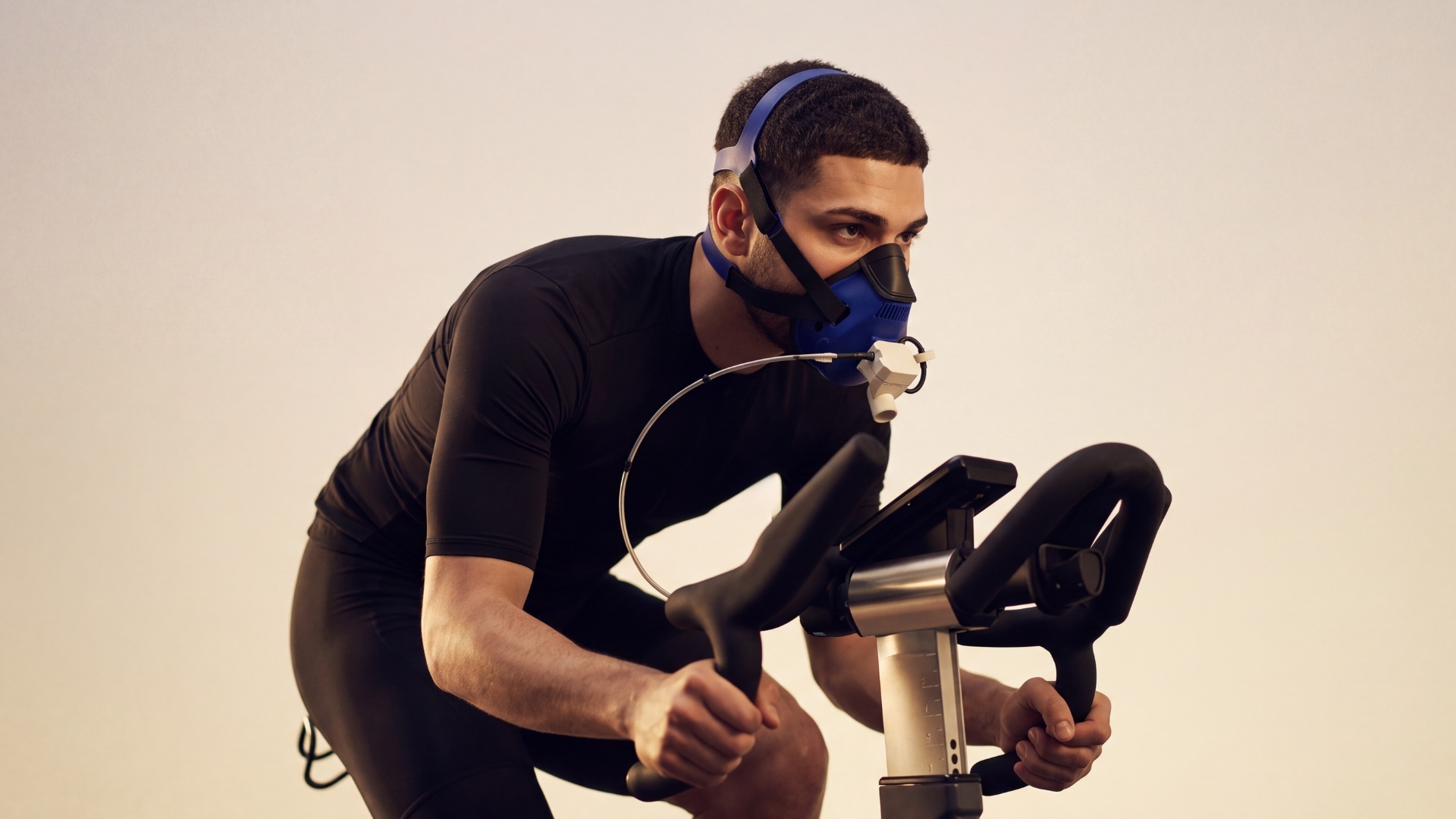
Understanding metabolic testing CPT codes is important for clinics evaluating whether resting indirect calorimetry, pulmonary stress testing, or cardiopulmonary exercise testing may be billed to insurance.
However, the existence of a CPT code does not mean that every metabolic assessment is covered. Reimbursement depends on the service performed, medical necessity, provider qualifications, payer policy, documentation, place of service, and local coverage requirements.
The AMA’s 2026 CPT code set became effective on January 1, 2026, while Medicare payment information is maintained through the CMS Physician Fee Schedule and Medicare Coverage Database.
Important notice: This article is for general education only. It is not legal, coding, reimbursement, or compliance advice. Practices should verify every code and claim with the current AMA CPT code set, a certified professional coder, the relevant payer, and applicable state and federal requirements.
Coding, Coverage, and Payment Are Different
These three concepts are closely connected, but they are not interchangeable.
A code describes the service that was performed. Coverage determines whether the insurer considers that service reimbursable under the patient’s plan and circumstances. Payment determines the amount the payer may allow after contractual rates, geographic adjustments, modifiers, supervision requirements, and other factors are applied.
A service can therefore have a valid code and still not be covered. It can also be covered under one payer, indication, or jurisdiction and excluded under another.
CMS notes that local coverage determinations are made by Medicare Administrative Contractors and can vary by jurisdiction. Practices should review both national requirements and the policies applicable to their location.
Metabolic Testing CPT Codes Commonly Evaluated by Practices
Practices often review CPT 94690 when considering resting indirect calorimetry and CPT 94621 when evaluating cardiopulmonary exercise testing that includes respiratory gas analysis.
Pulmonary stress-testing code families may also include CPT 94617, 94618, and 94619, depending on the service and measurements performed. CMS billing guidance identifies 94617, 94618, 94619, and 94621 within pulmonary stress testing, but the correct selection depends on the exact procedure, not simply on whether the client exercised.
Because full CPT descriptors are copyrighted and may be revised, practices should review the current AMA code set rather than relying on a blog, older billing sheet, or device vendor for definitive code selection.
Resting Indirect Calorimetry
Resting indirect calorimetry measures respiratory gases to assess resting energy expenditure. It may be used in clinical nutrition, weight-management, or other medically relevant settings.
The professional performing the service must determine whether the procedure completed matches the current CPT requirements and whether the payer recognizes the indication.
A wellness assessment performed for general interest does not automatically become reimbursable because indirect calorimetry equipment was used. Coverage may require a documented medical reason, an eligible provider, an appropriate order, and evidence that the result will influence care.
The practice should confirm:
- The complete current CPT descriptor
- Provider eligibility
- Ordering requirements
- Medical-necessity criteria
- Documentation requirements
- Place-of-service rules
- Bundling or modifier restrictions
- Prior authorization, where applicable
These checks should happen before the practice makes reimbursement claims in marketing materials or financial projections.
Cardiopulmonary Exercise and Pulmonary Stress Testing
Cardiopulmonary exercise testing can evaluate the integrated response of the cardiovascular, respiratory, and muscular systems during exercise. It may be used in the investigation of unexplained exercise intolerance, dyspnea, cardiovascular or pulmonary limitations, functional capacity, and selected rehabilitation or preoperative cases.
CMS pulmonary stress-testing guidance identifies medically necessary applications and also outlines contraindications and documentation requirements. It does not provide blanket coverage for every VO2 Max or performance assessment.
A sports-performance VO2 Max test may use similar equipment to a medically indicated CPET, but that does not mean the two services are equivalent for billing purposes.
The protocol, measurements, personnel, clinical purpose, interpretation, and documentation all matter.

Is VO2 Max Testing Covered by Insurance?
VO2 Max testing is not universally covered.
It may form part of a medically necessary cardiopulmonary exercise test when the patient has an appropriate indication and the service meets payer requirements. Testing performed solely for athletic performance, wellness optimization, curiosity, or general fitness may not satisfy medical-necessity criteria.
Because metabolic testing CPT codes do not guarantee coverage, reimbursement should be verified for the specific patient and payer. A practice should never imply that a test is covered simply because another clinic received payment for a similar service.
Even within Medicare, local policies and billing articles may differ according to the Medicare Administrative Contractor responsible for the jurisdiction.
Documentation Must Support the Service
A clean claim begins with documentation that clearly explains why the test was performed and what occurred.
The medical record should identify the clinical question, relevant symptoms or diagnosis, selected protocol, measurements obtained, client effort, reason for termination, data quality, interpretation, and effect on the care plan.
CMS states that claims must include sufficient information to process payment, and pulmonary stress-testing policies require documentation supporting medical necessity.
Generic notes such as “metabolic test completed” are unlikely to communicate the clinical purpose or support the selected code.
Templates can improve consistency, but they should not create identical documentation for every patient. The record must accurately reflect the individual service.
Provider Qualifications and Scope Matter
The ability to operate a metabolic analyzer does not automatically establish eligibility to bill an insurer.
Payers may have requirements concerning the ordering provider, supervising professional, performing practitioner, facility, and interpretation. Independent diagnostic testing facilities may also be subject to specific credentialing and supervision rules.
Before building an insurance-based service, confirm that the organization and professionals involved meet the applicable requirements.
Practices should also consider state scope-of-practice rules, professional licensing, informed consent, privacy, and safety procedures.
Cash-Pay Metabolic Testing
Many gyms, performance facilities, wellness businesses, and longevity practices offer metabolic testing as a self-pay service.
A cash-pay model may be appropriate when the service is focused on performance, wellness, nutrition, or personalized programming rather than the diagnosis or treatment of a covered medical condition.
Cash pay does not remove the need for clear documentation and responsible delivery. The practice should provide transparent pricing, explain what is included, screen clients appropriately, protect health information, and avoid misleading medical or reimbursement claims.
The client should also understand that payment for the assessment does not guarantee reimbursement from their insurer.
Build a Verification Process Before Billing
A practice should establish a repeatable verification process rather than researching codes only after claims are denied.
When reviewing metabolic testing CPT codes, begin by documenting exactly what service will be performed. Then confirm the current CPT descriptor, payer policy, provider requirements, medical-necessity criteria, fee-schedule information, and relevant coding edits.
A certified coder should review the workflow and a small number of test claims before the organization assumes reimbursement will be consistent.
Policies should be reviewed regularly because CPT codes, CMS rules, local coverage documents, payer contracts, and payment amounts can change. CMS provides current fee-schedule and coverage-database tools for this purpose.
Do Not Base the Business Case on Assumed Reimbursement
Insurance may support access for appropriately indicated clinical testing, but it should not be treated as guaranteed revenue.
A sustainable model may include insurance-billed testing when all requirements are met, alongside cash-pay performance or wellness assessments, consultations, programs, and retesting.
Keep the clinical decision separate from the billing opportunity. Metabolic testing CPT codes should support an appropriate billing pathway, not determine whether a test is clinically useful for the patient.
Frequently Asked Questions
What is the CPT code for resting indirect calorimetry?
CPT 94690 is commonly reviewed for resting indirect calorimetry. Practices must confirm the current official descriptor, payer policy, medical-necessity requirements, provider eligibility, and documentation before using it.
What CPT code is commonly associated with CPET?
CPT 94621 is commonly evaluated for cardiopulmonary exercise testing involving respiratory gas analysis. The correct code depends on the actual service and current coding guidance.
Does Medicare cover metabolic testing?
Medicare may cover qualifying services when applicable medical-necessity, documentation, ordering, provider, and local coverage requirements are met. General wellness or performance testing is not automatically covered.
Can a gym bill insurance for VO2 Max testing?
A gym should not assume it can bill insurance merely because it performs VO2 Max testing. Eligibility depends on the provider, facility, indication, procedure, payer policy, and legal requirements.
See How PNOĒ Fits Into Your Facility
Sources
Related Posts

CGM vs Metabolic Testing: What’s the Difference?

Insulin Resistance Testing & Breath Analysis

Mitochondrial Health: The Foundation of Energy and Longevity