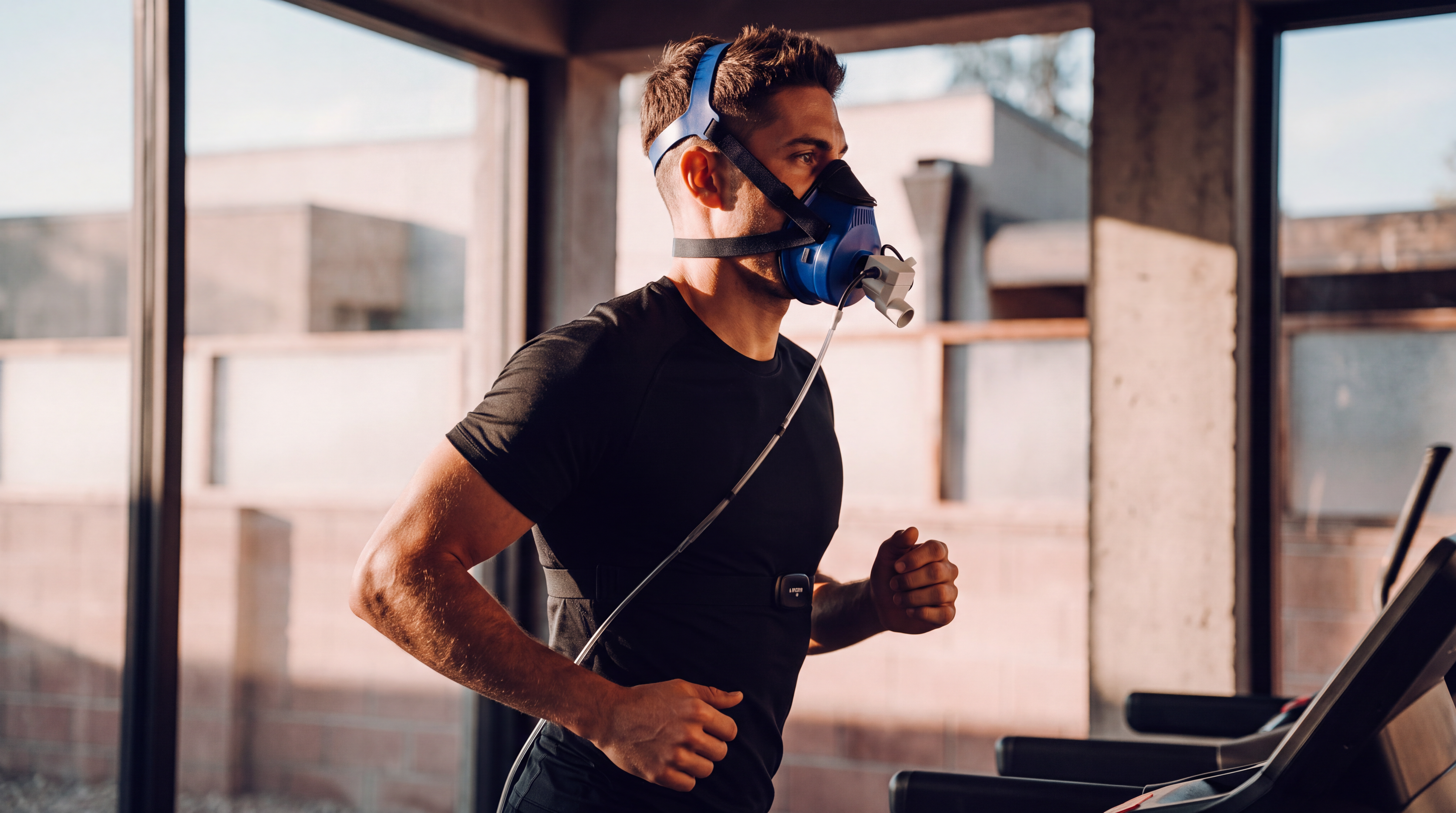
A standardized metabolic testing protocol helps ensure that results reflect the client’s physiology rather than differences in preparation, equipment setup, test selection, or testing conditions.
This matters in both resting and active assessments. Resting metabolic testing is sensitive to factors such as recent food intake, exercise, stimulants, movement, and the client’s ability to reach a resting state. Active metabolic testing also requires consistent screening, workload progression, monitoring, and data-quality review.
A good protocol does not make testing unnecessarily complicated. It creates a repeatable process that helps practitioners collect reliable data, interpret results in context, and compare changes more meaningfully over time.
The following framework is intended for professional use and should be adapted to the device instructions, client population, practitioner qualifications, and applicable regulations.
Choose the Right Metabolic Testing Protocol
Every metabolic testing protocol should begin with a simple question: What are you trying to learn?
Resting metabolic rate testing is appropriate when the practitioner wants to measure resting energy expenditure and use that information to support nutrition planning, weight management, or longitudinal monitoring.
Active metabolic testing is more appropriate when the goal is to assess VO2 Max, cardiorespiratory fitness, ventilatory thresholds, fuel utilization during exercise, or physiological responses to increasing workloads.
The same test should not be used for every client simply because it is familiar or convenient. The assessment should match the question being asked and the decision the results are intended to support.
Defining that purpose first also makes it easier to select the appropriate test, explain its value to the client, and interpret the results afterward.
Screen the Client Appropriately
Before an active assessment, review the client’s health history, symptoms, medications, exercise experience, recent illness, and known risk factors.
Medical or higher-intensity exercise testing may require clearance, clinical supervision, emergency planning, or referral depending on the individual and setting. Professional CPET guidance identifies absolute and relative contraindications and emphasizes appropriate screening before exercise testing.
The screening process should document the purpose of the assessment, relevant medical history, current symptoms, informed consent, and why the selected test is appropriate.
If a client reports chest pain, unexplained fainting, acute illness, unusual shortness of breath, or another concerning symptom, the practitioner should pause the process and follow the facility’s clinical escalation policy.
Screening should be treated as part of the testing process rather than a formality completed immediately before exercise begins.
Standardize the Resting Metabolic Testing Protocol
For resting assessments, the metabolic testing protocol should create conditions that allow the client to reach a genuinely rested and stable state.
Evidence-based recommendations emphasize consistent preparation, sufficient rest before measurement, limited movement and conversation, and the identification of a stable measurement period. Research protocols may also control food intake, exercise, caffeine, nicotine, posture, and environmental conditions.
Exact preparation requirements should follow the validated guidance for the device, population, and testing environment rather than relying on one universal rule for every setting.
A client preparation message should clearly address:
- Eating and fasting instructions
- Exercise before the appointment
- Caffeine, nicotine, and alcohol
- Hydration
- Sleep
- Clothing
- Arrival time
- Illness or new symptoms
- Medication instructions from the responsible clinician
Clients should never be told to stop prescribed medication unless that instruction comes from the appropriate licensed professional.
Consistent preparation becomes particularly important when results will be compared with a future assessment.

Prepare the Environment and Equipment
Before the client arrives, confirm that the testing space is ready and that the equipment has been checked according to the manufacturer’s procedures.
Inspect the mask, tubing, sensors, valves, and any other reusable or disposable components. Confirm that the client profile is correct and that the appropriate resting, treadmill, cycling, or other relevant testing mode has been selected.
For a resting assessment, the environment should allow the client to become comfortable with minimal disruption. Excessive talking, movement, discomfort, temperature, or anxiety may interfere with the measurement.
For active testing, confirm that the required monitoring equipment is functional, appropriate safety procedures are in place, and the client understands what to expect as exercise intensity increases.
Standardizing these steps reduces avoidable variation between assessments and makes the workflow easier for staff to repeat.
Conduct a Resting Metabolic Assessment
Allow the client to settle before beginning data collection. During the assessment, minimize conversation, unnecessary movement, and external interruptions.
The practitioner should not automatically accept the first value displayed by the software. Review whether the measurement reached an appropriate stable period and whether oxygen consumption, carbon dioxide production, ventilation, and respiratory exchange data appear physiologically plausible.
Research on resting energy expenditure emphasizes the importance of obtaining a stable measurement period rather than relying on a brief or visibly inconsistent sample.
If the client coughs repeatedly, talks, becomes anxious, moves significantly, or another event disrupts the assessment, document what happened and determine whether additional measurement time or a repeat test is appropriate.
The objective is not simply to complete the test. It is to collect data that can be interpreted with confidence.
Follow a Consistent Active Metabolic Testing Protocol
An active metabolic testing protocol should increase workload in a way that reflects the client’s ability, exercise modality, and purpose of the assessment.
If workloads progress too slowly, local fatigue or discomfort may end the test before the desired physiological information is collected. If intensity increases too aggressively, the client may stop before thresholds and exercise responses can be clearly identified.
During testing, monitor the available physiological data alongside the client’s symptoms and perceived effort. Practitioners should understand the facility’s termination criteria and know when an assessment should be stopped for safety rather than continued for performance.
Professional guidance emphasizes that cardiopulmonary exercise testing quality depends on appropriate equipment, trained personnel, protocol selection, monitoring, interpretation, and quality assurance, not simply obtaining a peak oxygen-consumption value.
Using a repeatable protocol also becomes important when an athlete or client returns later to assess progress.
Review Data Quality Before Interpretation
Every metabolic testing protocol should include a data-quality review before results are presented to the client.
A metabolic test should not automatically be considered valid simply because the software generated a report.
Review whether the data are internally consistent and appropriate for the client’s effort. Look for potential mask leakage, irregular breathing, implausible respiratory exchange values, equipment interruptions, inadequate exercise effort, or unexpected early termination.
Results should also be interpreted alongside relevant context such as medical history, body composition, laboratory findings when available, symptoms, medications, training history, nutrition, sleep, and previous assessments.
A low VO2 Max or unusual fuel-utilization pattern is not a diagnosis by itself. It is information that may help guide recommendations, further assessment, or referral when appropriate.
Data quality should therefore be reviewed before conclusions are drawn from individual metrics.
Turn the Assessment Into a Clear Consultation
A client does not need every metric explained in equal detail.
Begin with the two or three findings most relevant to the client’s goals. Explain what they mean, what may be influencing them, and which actions should be prioritized.
A useful consultation should leave the client knowing:
- What the main findings were
- Why they matter
- What they should do next
- How progress will be monitored
- When another assessment may be useful
The objective is to turn physiological data into clear, practical guidance without overwhelming the client.
Avoid overpromising what a single assessment can determine. Metabolic testing should contribute to professional judgment rather than replace it.
When interpretation, recommendations, and follow-up are built into the workflow, testing becomes part of a broader client journey instead of an isolated measurement.
Use the Same Metabolic Testing Protocol for Retesting
Retesting is most useful when enough time has passed for an intervention to create a measurable change and when the result can influence the next decision.
Where practical, repeat the same metabolic testing protocol used for the initial assessment. Preparation, equipment, time of day, exercise modality, workload progression, and testing environment should remain as consistent as reasonably possible.
Document any meaningful differences between assessments. Otherwise, an apparent change in results may reflect a change in testing conditions rather than genuine physiological adaptation.
The appropriate interval will depend on the client, intervention, measurement, and objective. A training program, weight-management intervention, rehabilitation pathway, or long-term health program may each require a different retesting schedule.
Retesting should therefore have a defined purpose rather than being scheduled simply to increase testing frequency.
How PNOĒ Supports a Consistent Metabolic Testing Protocol
PNOĒ brings resting and active metabolic testing into one breath-analysis platform, allowing practitioners to assess metrics such as resting metabolic rate, VO2 Max, fuel utilization, and other cardiometabolic biomarkers.
The testing process connects assessment data with reporting, personalized nutrition and training recommendations, client monitoring, and future retesting. This helps practices build a more consistent workflow around the assessment rather than treating the test as a standalone event.
PNOĒ is also designed to make metabolic testing accessible within clinics, gyms, wellness centers, and performance facilities. Following onboarding, trained staff can conduct assessments using the platform while practitioners apply the appropriate screening, interpretation, and professional oversight for their setting.
For practices implementing a metabolic testing protocol across multiple clients, practitioners, or locations, a standardized testing and reporting workflow can also make results easier to compare and the service easier to operate consistently.
Frequently Asked Questions
What is a metabolic testing protocol?
A metabolic testing protocol is the standardized process used to prepare, screen, test, monitor, and evaluate a client during a metabolic assessment. It may include client preparation requirements, equipment checks, test selection, workload progression, data-quality review, interpretation, and retesting conditions.
The exact process varies depending on whether the assessment measures resting metabolism, VO2 Max, exercise response, or other metabolic parameters.
Can RMR and VO2 Max testing be completed on the same day?
They may be completed on the same day when appropriate, but the resting assessment should generally occur before exercise so recent physical activity does not interfere with resting conditions.
The appropriate sequence should also follow the device instructions and the practitioner’s testing procedures.
Why is metabolic test preparation important?
Food, exercise, stimulants, movement, stress, and inadequate rest may influence metabolic measurements. Consistent preparation helps practitioners interpret results more confidently and compare assessments over time.
Clear instructions provided before the appointment can also reduce the likelihood that a test needs to be delayed or repeated.
Does every client need the same testing protocol?
No. Testing should be selected according to the client’s goals, health status, exercise capacity, and the information the practitioner needs.
A client undergoing an RMR assessment for nutrition planning requires a different approach from an athlete completing an active assessment for VO2 Max, ventilatory thresholds, and training zones.
When should metabolic testing be repeated?
The interval depends on the client, intervention, measurement, and intended use of the result.
Retesting is most useful after enough time has passed for meaningful physiological adaptation and when the new information will influence the next stage of nutrition, training, recovery, rehabilitation, or care.
Whenever possible, preparation and testing conditions should remain consistent with the original assessment.
See How PNOĒ Fits Into Your Facility
Sources
- Evidence Analysis Library Review of Best Practices for Performing Indirect Calorimetry
- Approximate Time to Steady-State Resting Energy Expenditure – PMC
- ATS/ACCP Statement on Cardiopulmonary Exercise Testing – PubMed
- ARTP Statement on Cardiopulmonary Exercise Testing 2021 – PubMed
- CMS Pulmonary Stress Testing Coverage Guidance
- Validity and Reliability of the PNOĒ Portable Metabolic Analyzer
Related Posts

CGM vs Metabolic Testing: What’s the Difference?

Insulin Resistance Testing & Breath Analysis

Mitochondrial Health: The Foundation of Energy and Longevity