Metabolic Testing -
Measure how your body produces energy & how to optimize it
Metabolic testing is the most accurate way to understand how your body uses oxygen, burns fat and carbohydrates, and produces energy at rest and during exercise. Instead of relying on estimates or wearable data, metabolic testing measures real physiological processes through breath analysis, providing a clear picture of metabolic health and performance.
By analyzing oxygen consumption (VO2), carbon dioxide production (VCO2), and fuel utilization, it reveals how efficiently your body converts nutrients into energy. These insights form the foundation for personalized nutrition strategies, targeted training programs, and long-term health optimization.
Metabolic Testing Explained
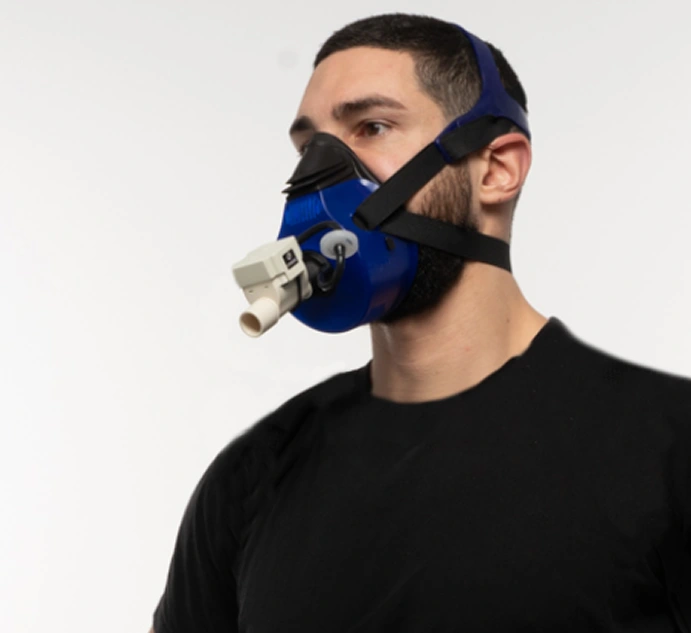
Breath-based metabolic assessment is a non-invasive assessment that evaluates how your body produces energy by analyzing your breath. During a metabolic test, you breathe through a mask connected to advanced sensors that measure the gases you inhale and exhale in real time. From this data, key metabolic metrics such as resting metabolic rate (RMR), respiratory exchange ratio (RER), fat and carbohydrate oxidation, and VO2 max can be accurately calculated.
Unlike predictive equations or fitness trackers, metabolic testing reflects what is actually happening inside your body. It shows how your metabolism behaves at rest, how it responds to exercise, and how efficiently it adapts to changing energy demands. This makes metabolic testing a powerful tool for improving metabolic health, performance, and recovery.

Metabolic testing is a non-invasive assessment that evaluates how your body produces energy by analyzing your breath. During a metabolic test, you breathe through a mask connected to advanced sensors that measure the gases you inhale and exhale in real time. From this data, key metabolic metrics such as resting metabolic rate (RMR), respiratory exchange ratio (RER), fat and carbohydrate oxidation, and VO2 max can be accurately calculated.
Unlike predictive equations or fitness trackers, metabolic testing reflects what is actually happening inside your body. It shows how your metabolism behaves at rest, how it responds to exercise, and how efficiently it adapts to changing energy demands. This makes metabolic testing a powerful tool for improving metabolic health, performance, and recovery.
Metabolic testing through breath analysis is based on measuring the relationship between oxygen consumption (O2) and carbon dioxide production (CO2). These values are used to calculate the respiratory exchange ratio (RER), which indicates whether the body is primarily burning fat or carbohydrates for energy.
Carbohydrates have an RER close to 1.0, meaning they require and produce similar amounts of oxygen and carbon dioxide. Fat oxidation has an RER closer to 0.7, indicating greater oxygen use relative to carbon dioxide production. By analyzing exhaled breath, metabolic testing determines real-time fuel utilization with high precision.
This breath-based method is non-invasive, research validated, and provides immediate insight into metabolic efficiency, fuel preference, and overall metabolic flexibility without the need for blood tests or estimations.

How is Metabolism Measured Through Breath?
Metabolic measurement through breath analysis is based on measuring the relationship between oxygen consumption (O2) and carbon dioxide production (CO2). These values are used to calculate the respiratory exchange ratio (RER), which indicates whether the body is primarily burning fat or carbohydrates for energy.
Carbohydrates have an RER close to 1.0, meaning they require and produce similar amounts of oxygen and carbon dioxide. Fat oxidation has an RER closer to 0.7, indicating greater oxygen use relative to carbon dioxide production. By analyzing exhaled breath, metabolic testing determines real-time fuel utilization with high precision.
This breath-based method is non-invasive, research validated, and provides immediate insight into metabolic efficiency, fuel preference, and overall metabolic flexibility without the need for blood tests or estimations.
Why Μetabolic Τesting Μatters
Breath analysis testing turns invisible physiological processes into actionable data. It replaces assumptions with measurable insights and allows individuals, coaches, and clinicians to make informed decisions based on how the body actually functions.
Whether the goal is weight management, improved performance, faster recovery, or long-term metabolic health, metabolic testing provides objective data that can be tracked over time. By retesting, progress becomes measurable, allowing interventions to be adjusted with confidence.
Why Μetabolic Τesting Μatters
Breath analysis testing turns invisible physiological processes into actionable data. It replaces assumptions with measurable insights and allows individuals, coaches, and clinicians to make informed decisions based on how the body actually functions.
Whether the goal is weight management, improved performance, faster recovery, or long-term metabolic health, metabolic testing provides objective data that can be tracked over time. By retesting, progress becomes measurable, allowing interventions to be adjusted with confidence.

What Does Metabolic Testing Measure?
Metabolic testing provides a comprehensive assessment of how your body produces and uses energy by measuring several critical physiological variables. One of the most important is resting metabolic rate (RMR), which represents the number of calories your body requires at rest to support essential functions such as breathing, circulation, and cellular repair. Knowing your true RMR enables more accurate nutrition planning and energy balance.
Another key measurement is VO2 max, which reflects the maximum amount of oxygen your body can utilize during exercise. VO2 max is a strong indicator of cardiovascular fitness, aerobic capacity, and overall metabolic efficiency, and it is closely linked to long-term health and longevity.
Breath analysis testing also measures fat and carbohydrate oxidation, showing how your body selects fuel sources at rest and across varying exercise intensities. These insights help identify metabolic inefficiencies that may impact fat loss, endurance, or recovery. Together, these metrics reveal metabolic flexibility, or how effectively the body transitions between fuel sources based on demand.
What Does Metabolic Testing Measure?
Metabolic testing provides a comprehensive assessment of how your body produces and uses energy by measuring several critical physiological variables. One of the most important is resting metabolic rate (RMR), which represents the number of calories your body requires at rest to support essential functions such as breathing, circulation, and cellular repair. Knowing your true RMR enables more accurate nutrition planning and energy balance.
Another key measurement is VO2 max, which reflects the maximum amount of oxygen your body can utilize during exercise. VO2 max is a strong indicator of cardiovascular fitness, aerobic capacity, and overall metabolic efficiency, and it is closely linked to long-term health and longevity.
Breath analysis testing also measures fat and carbohydrate oxidation, showing how your body selects fuel sources at rest and across varying exercise intensities. These insights help identify metabolic inefficiencies that may impact fat loss, endurance, or recovery. Together, these metrics reveal metabolic flexibility, or how effectively the body transitions between fuel sources based on demand.
Who is Metabolic Testing For?
Metabolic testing is valuable for anyone seeking a deeper understanding of their metabolism and overall health. For individuals focused on weight management, it removes guesswork by identifying true calorie needs and optimal fuel usage, supporting sustainable and personalized approaches to fat loss.
For athletes and active individuals, metabolic testing helps define personalized training zones and fueling strategies. By understanding how the body responds to different intensities, training can become more efficient, recovery can improve, and the risk of overtraining can be reduced.
Those interested in longevity and metabolic health benefit from metabolic assessments by gaining insight into cardiovascular fitness, metabolic efficiency, and early indicators of metabolic dysfunction. Tracking these metrics over time supports proactive health strategies and long-term healthspan optimization.
Metabolic testing is also widely used in preventive health settings, where objective metabolic data supports individualized treatment planning, progress monitoring, and evidence-based decision-making.

Who is Metabolic Testing For?
Metabolic testing is valuable for anyone seeking a deeper understanding of their metabolism and overall health. For individuals focused on weight management, it removes guesswork by identifying true calorie needs and optimal fuel usage, supporting sustainable and personalized approaches to fat loss.
For athletes and active individuals, metabolic testing helps define personalized training zones and fueling strategies. By understanding how the body responds to different intensities, training can become more efficient, recovery can improve, and the risk of overtraining can be reduced.
Those interested in longevity and metabolic health benefit from metabolic assessments by gaining insight into cardiovascular fitness, metabolic efficiency, and early indicators of metabolic dysfunction. Tracking these metrics over time supports proactive health strategies and long-term healthspan optimization.
Metabolic testing is also widely used in preventive health settings, where objective metabolic data supports individualized treatment planning, progress monitoring, and evidence-based decision-making.
Valuable Insights from Metabolic Testing
Fat oxidation & metabolic efficiency
Metabolic testing reveals how effectively your body burns fat for energy at rest and during exercise. Low fat oxidation may indicate metabolic inefficiency or impaired fuel utilization. Identifying your personal fat-burning range helps guide nutrition strategies, training intensity, and lifestyle interventions that improve metabolic health over time.

Recovery capacity & energy regulation
Efficient metabolic function supports faster recovery by improving glycogen replenishment, reducing oxidative stress, and optimizing muscle repair. Metabolic testing helps identify factors that may contribute to prolonged fatigue or slow recovery, allowing for targeted adjustments in training load and recovery strategies.

Performance, endurance & longevity
By measuring VO2 max, fuel utilization, and metabolic thresholds, metabolic testing provides a clear picture of aerobic capacity and endurance potential. Efficient metabolism supports sustained performance, cardiovascular health, and is strongly associated with reduced disease risk and improved longevity.