We have never had more health data. Your watch logs every heartbeat, your ring scores your sleep, your glucose monitor charts every meal, and a growing stack of apps promises to forecast your future from all of it. Yet most people end up with more numbers than answers. Learning how to use your health data, rather than simply collecting it, is quickly becoming the real skill of the longevity era, and it is the gap the Gerontological Society of America highlighted in its November 2026 report when it warned that daily data can tip from motivation into “data anxiety.”
The short version: data becomes useful only when it points to a decision. Here is how to move from tracking numbers to acting on them, and why the most actionable health data is the kind that comes with a plan attached.
Why Does More Health Data Rarely Lead to Better Health?
More health data rarely leads to better health because most of it describes what happened without explaining why or what to change. A wearable can tell you your sleep was poor or your resting heart rate ticked up, but not the underlying reason or the specific fix. The Gerontological Society of America’s 2026 report made this point directly: it recommended interfaces that explain uncertainty, emphasize trends over single readings, and suggest manageable next steps, precisely because raw numbers on their own can distress people rather than help them.
The problem is not the data. It is the missing layer between a metric and a decision. Without that layer, tracking becomes a source of anxiety instead of direction.
How to Use Your Health Data: What’s Actually Actionable
Actionable health data is data that points to a specific, measurable change you can make and then re-measure. Three qualities separate it from noise. First, it measures something directly rather than estimating it, so you can trust the number. Second, it is tied to an outcome that matters, like longevity or energy, not just a vanity metric. Third, it comes with context: what the number means, and what to do about it.
VO2 Max is a good example. It is not just a fitness score. The American Heart Association calls cardiorespiratory fitness a clinical vital sign and a stronger predictor of mortality than smoking, high blood pressure, high cholesterol, or type 2 diabetes. And a 2026 follow-up of the Generation 100 study found that higher baseline VO2 Max in older adults predicted larger cortical brain volume and better memory performance nearly a decade later, independent of exercise group. A number that predictive, measured accurately, is worth building a plan around.
How Do You Turn Health Metrics Into a Plan?
You turn health metrics into a plan by following a simple loop: measure a true baseline, identify the specific limiter, act on it, and re-measure to confirm it worked. The key is starting with a measurement you can trust, not an estimate, because every downstream decision rests on it.
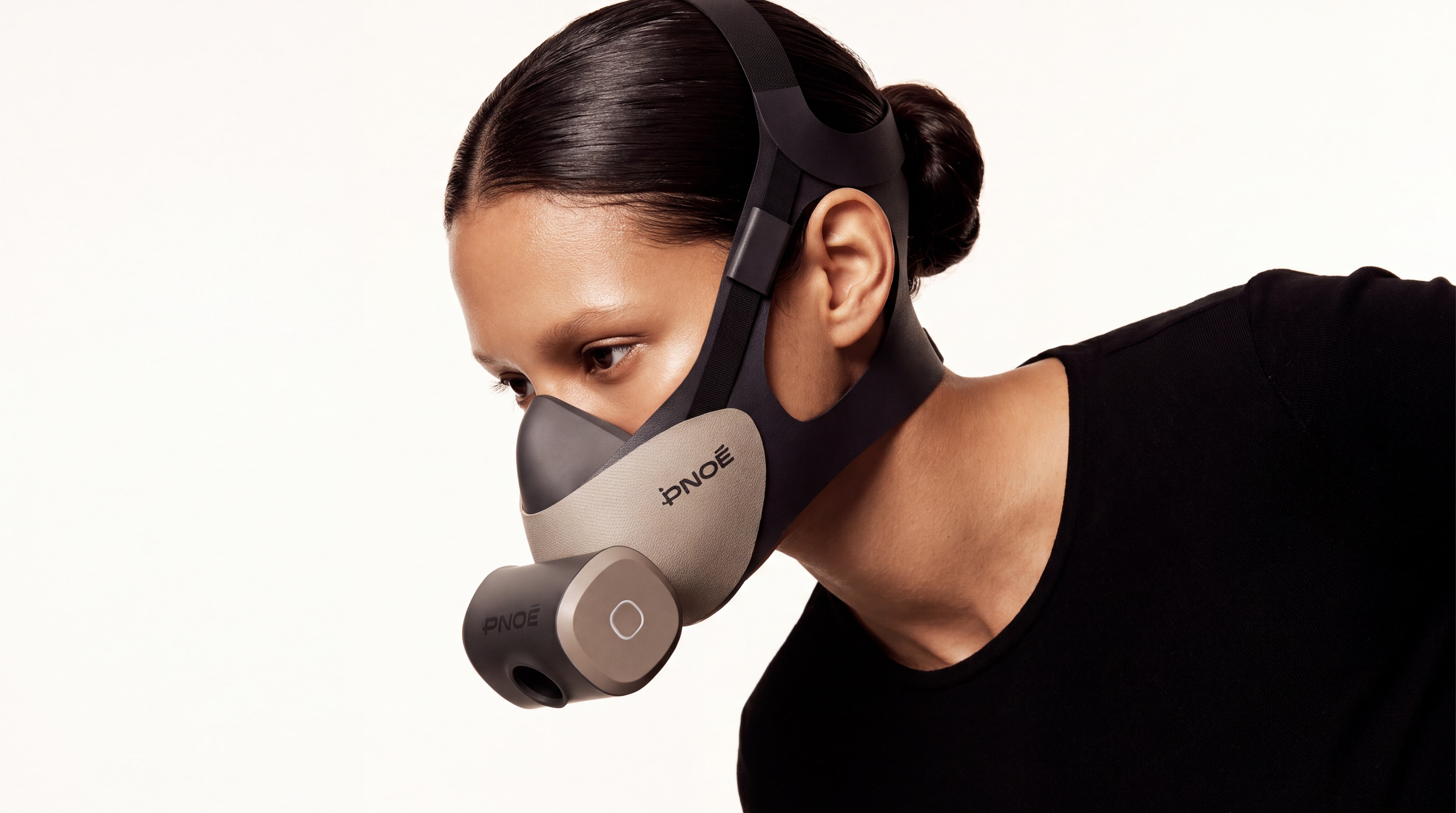
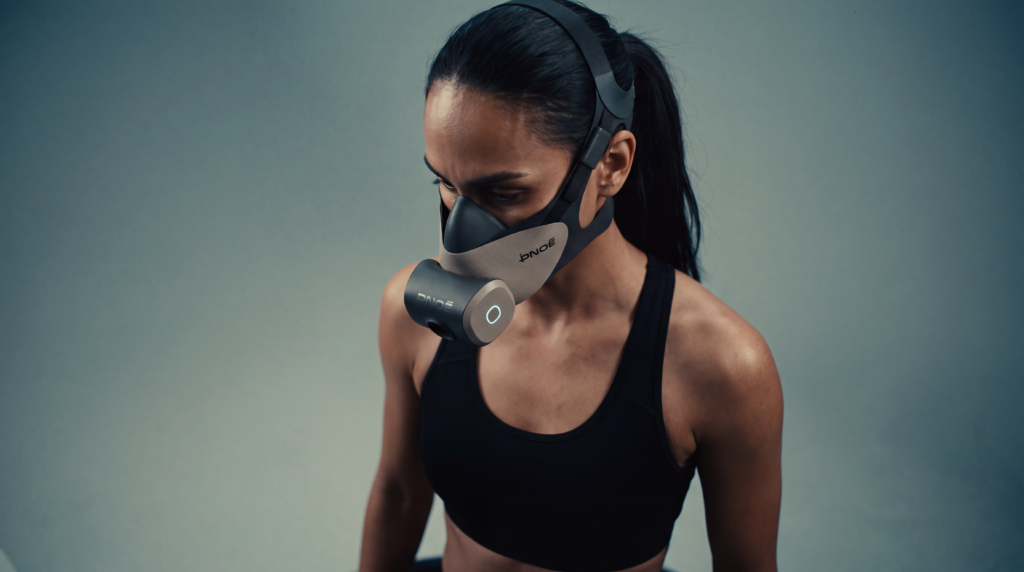
A breath test is built for exactly this loop. Using indirect calorimetry, the gold-standard method for measuring metabolism, it measures how your body produces and uses energy, breath by breath, across five systems: heart, lungs, brain, cells, and metabolism. From one 8-minute test, a PNOĒ assessment turns scattered data into direction:
- It measures your true VO2 Max, resting metabolic rate, fat oxidation, and metabolic flexibility
- It identifies which system is actually limiting you
- It translates that into personalized training zones and nutrition targets
- It gives you a baseline to re-test against in 8 to 12 weeks
That is the difference between a dashboard and a decision. One shows you numbers. The other tells you what to change.
How Does a Metabolic Test Fit With the Data I Already Have?
A metabolic test gives your existing data a foundation to sit on. Your wearable is excellent for continuous, day-to-day tracking: activity, sleep trends, heart rate during workouts. What it cannot do is measure your metabolism directly or tell you your precise training zones. A breath test provides that accurate baseline, and your daily wearable data becomes more meaningful once it is anchored to it.
Used together, they close the loop. The breath test tells you where you truly stand and what to do. Your wearable helps you stay consistent between tests and shows whether the trend is moving in the right direction. Neither replaces the other, but together they turn a pile of data into a plan you can actually follow.
The Bottom Line
The era of collecting health data is over. The era of using it has begun. As the Gerontological Society of America warned, more numbers can mean more anxiety unless they come with context and a clear next step. The way forward is to start with a measurement you can trust, identify your real limiter, act, and re-measure. A breath test is designed for exactly that loop, turning scattered metrics into a plan built on the markers that matter most.
Frequently Asked Questions
How do I use my health data instead of just collecting it?
Use your health data by turning it into a decision loop: measure a trustworthy baseline, identify your specific limiter, act on it, and re-measure to confirm the change worked. Data only becomes useful when it points to a specific next step, which is why context matters more than volume.
Why do I feel overwhelmed by my health data?
Health data overwhelm, sometimes called “data anxiety,” happens when you collect many numbers without the context to interpret them. The Gerontological Society of America’s 2026 report specifically warned that fixating on daily fluctuations can worsen the symptoms people are trying to manage, and recommended focusing on trends and manageable next steps instead.
What is the most actionable health metric?
VO2 Max is among the most actionable because it is both highly predictive and improvable. The American Heart Association calls cardiorespiratory fitness a clinical vital sign, and it responds measurably to training, so you can act on it and track real progress.
Do I still need a metabolic test if I wear a smartwatch?
Yes, because the two do different jobs. A smartwatch tracks daily trends but estimates metabolic metrics like VO2 Max from heart rate. A breath test measures them directly and gives you precise training zones, providing the accurate baseline your daily wearable data can then be interpreted against.
References
- Gerontological Society of America, “Unit of Health: The Currency of Longevity” (November 2026): https://www.eurekalert.org/news-releases/1152108
- Ross R, Blair SN, Arena R, et al. “Importance of Assessing Cardiorespiratory Fitness in Clinical Practice: A Case for Fitness as a Clinical Vital Sign.” Circulation (2016): https://www.ahajournals.org/doi/full/10.1161/CIR.0000000000000461
- “Long-Term Effects of a 5-Year Randomized Controlled Exercise Trial on Brain Volumes and Cognitive Function in Older Adults: A 4-Year Post-Intervention Follow-Up Study.” Sports Medicine (2026): https://link.springer.com/article/10.1007/s40279-026-02434-3
- Tsekouras YE, et al. “Validity and Reliability of the New Portable Metabolic Analyzer PNOE.” Frontiers in Sports and Active Living (2019): https://www.frontiersin.org/articles/10.3389/fspor.2019.00024/full
Related Posts

How to Measure Your Health: Number vs Measurement
How Accurate Is a Metabolic Test? The Science Behind Breath Analysis

CGM vs Metabolic Testing: What’s the Difference?